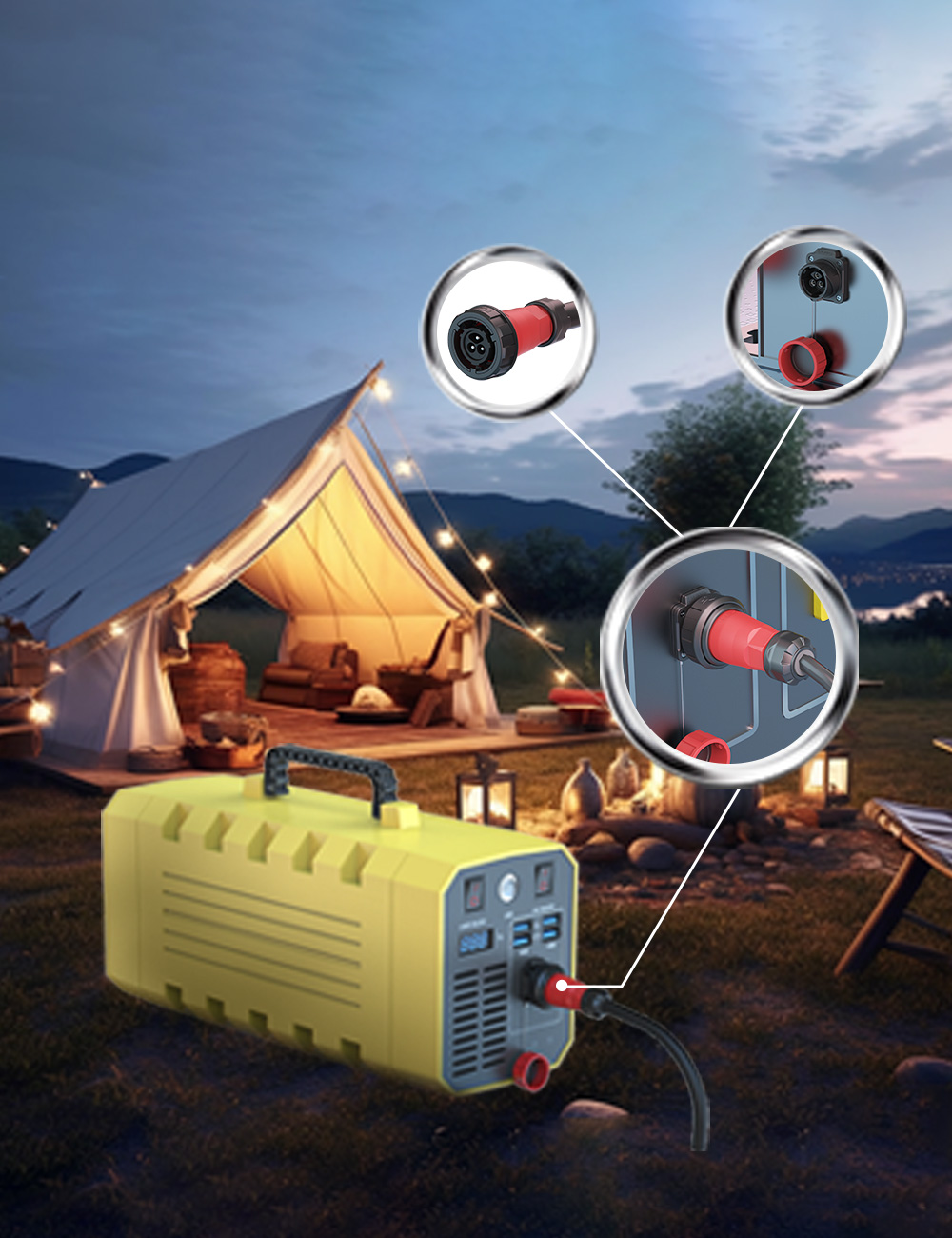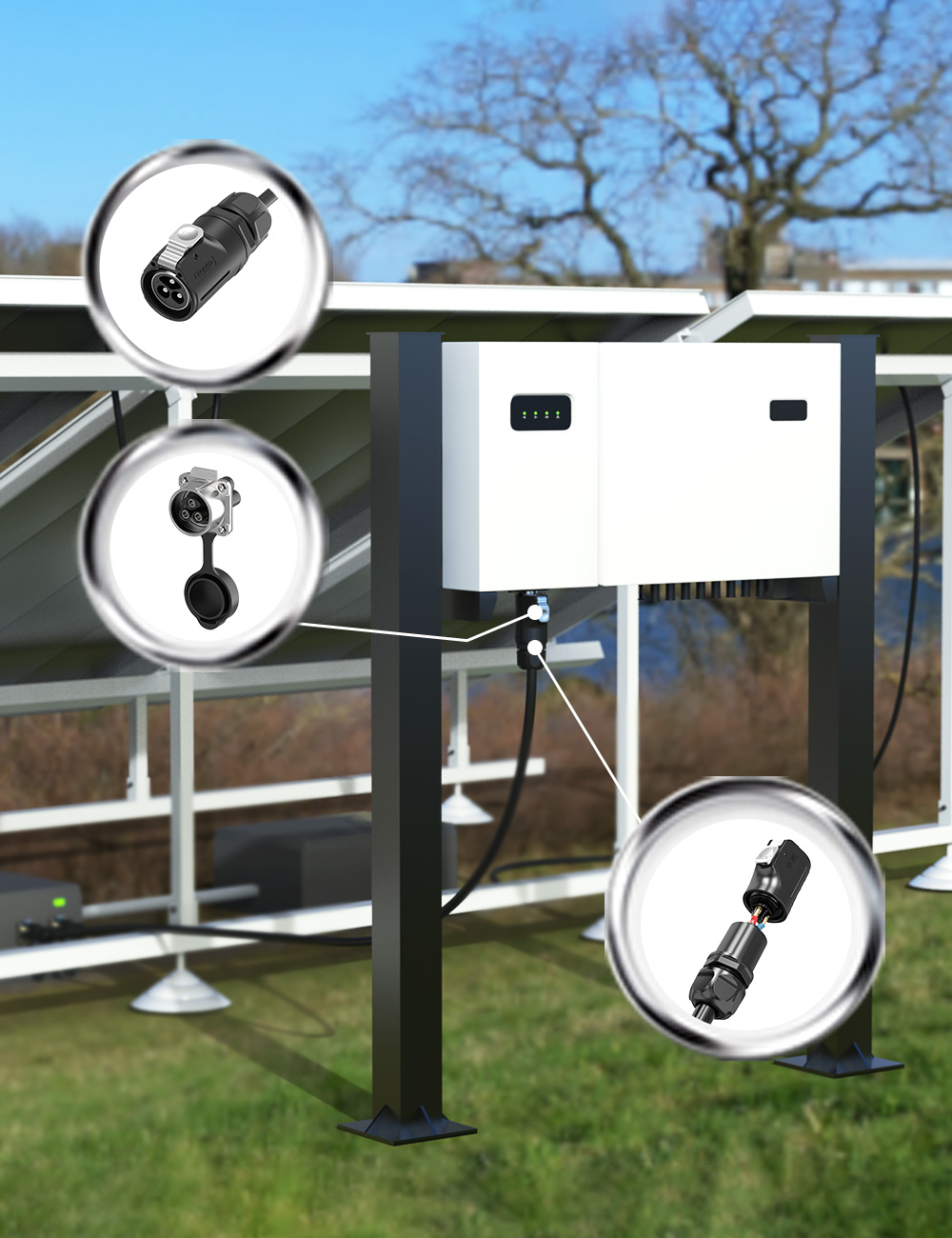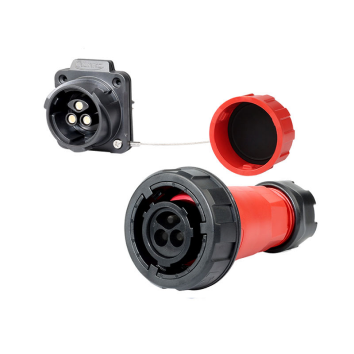
















For equipment that requires frequent commissioning, calibration, or module replacement, the locking method directly affects service time and accessibility. Quick-lock connectors require fewer steps and support rapid connection and disconnection. Threaded connectors lock through continuous thread engagement and provide a clearly visible engagement state, making them more suitable for interfaces that are rarely disconnected.
Neither design is inherently superior. Selection should consider service frequency, operating space, vibration and cable pull, transmission requirements, environmental protection, and cable configuration—not simply “speed” or “stability.” The following comparison uses product specifications and TÜV certification data.
I. What Is the Difference Between Quick-Lock and Threaded Connectors
The main differences are the locking principle, operating steps, and required clearance.
1. Quick-Lock Connectors Push to Lock and Press to Release
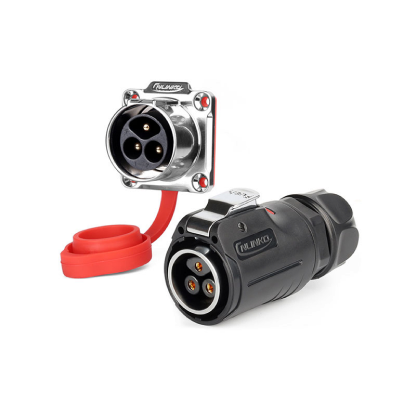
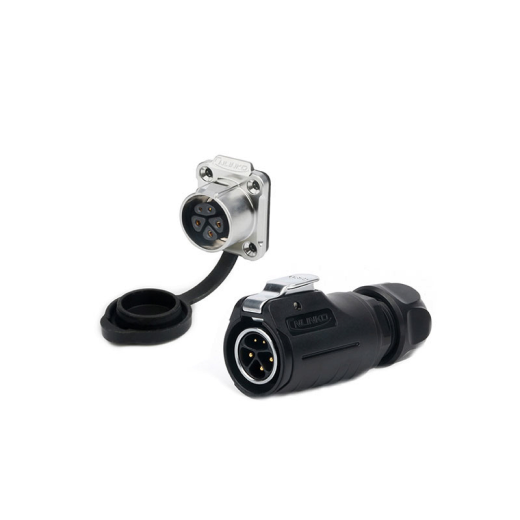
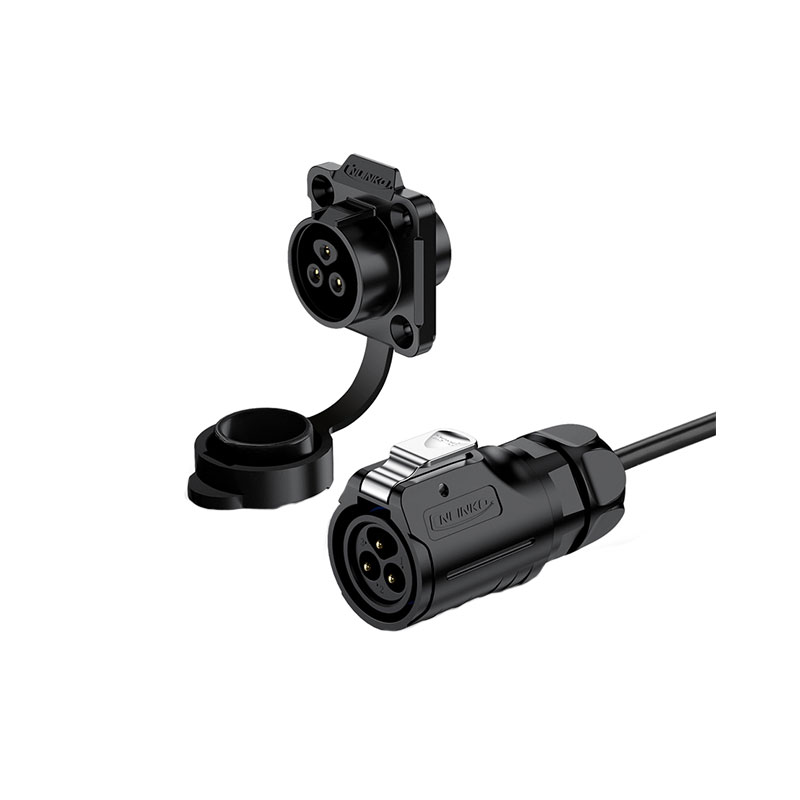
Quick-lock connectors normally use a spring latch or mechanical catch. Once the aligned plug is fully inserted into the receptacle, the mechanism automatically retains the connection. To disconnect, press the release and pull out the plug.
- Fewer connection and disconnection steps
- No repeated rotation of a coupling sleeve
- Tool-free operation
- Primarily requires axial insertion and release clearance
- Well suited to batch assembly and frequent maintenance
2. Threaded Connectors Continuous Engagement with a Clear Locking State
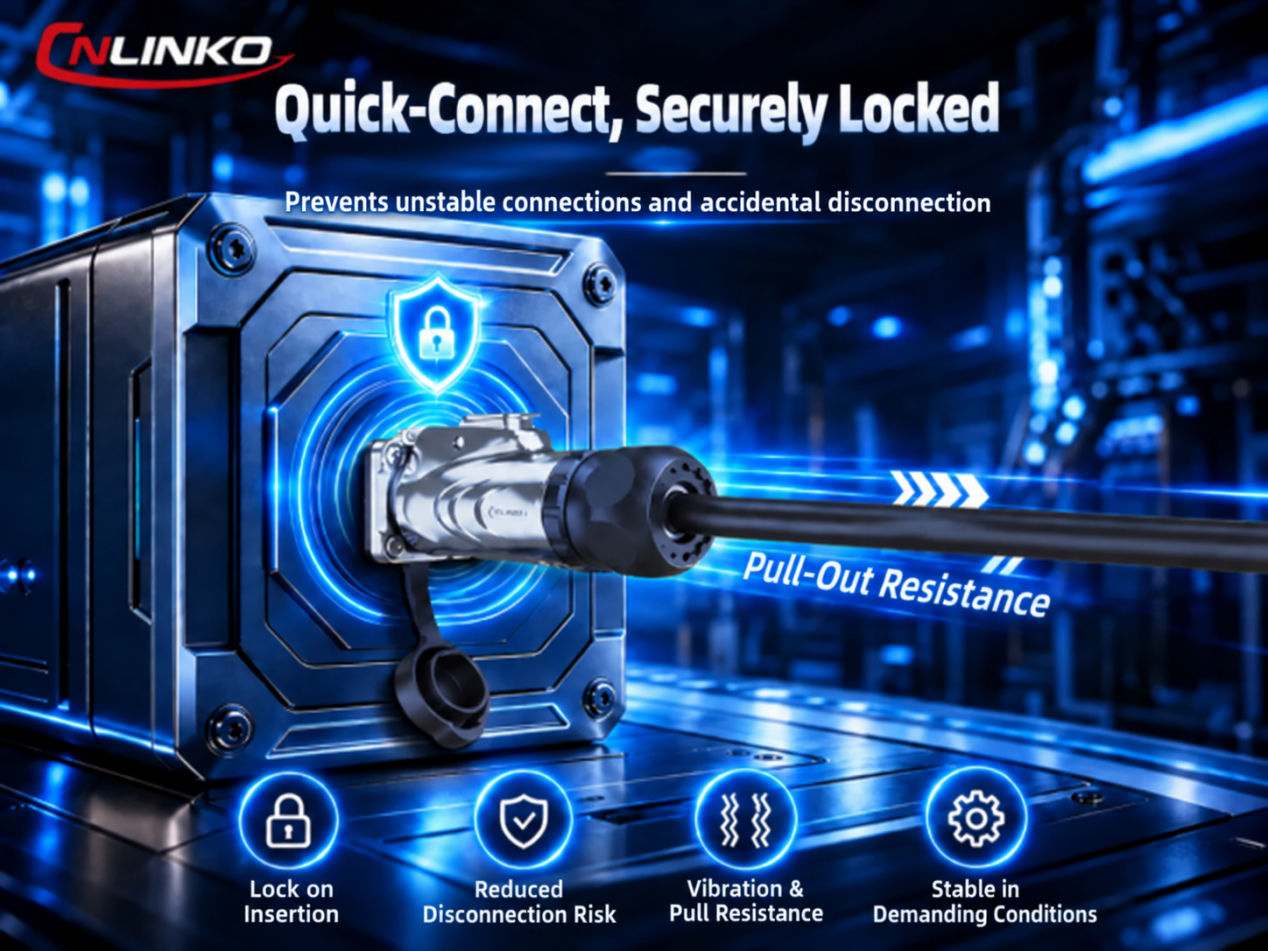
A threaded connector generates axial retention as the coupling sleeve engages the receptacle thread. The keying features must first be aligned, after which the sleeve is rotated to the specified position.
- Stable connection retention
- Compact circular interface options
- Suitable for connections that are rarely disconnected
- Requires clearance to rotate the coupling sleeve continuously
Avoid angled insertion, cross-threading, or forced tightening. Incomplete engagement or insufficient tightening may affect retention and sealing.
II. Why Frequently Serviced Equipment Prioritizes Connection Speed
Maintenance involves more than unplugging a connector. It may include shutting down the machine, removing covers, releasing locks, replacing modules, reconnecting the interface, and checking function.
When equipment has multiple interfaces—or one interface is repeatedly disconnected during production setup, calibration, and service—small differences in operating time multiply across the installation. Faster connection is often important for:
- Instruments requiring periodic calibration
- Sensors or functional modules requiring rapid replacement
- High-volume assemblies with many interfaces
- Automation equipment requiring frequent service
Quick-lock connectors can reduce rotation steps and tool dependence. Where an interface remains connected for most of its service life, however, threaded connection time is usually less important. Service frequency is a key factor, but not the only one.
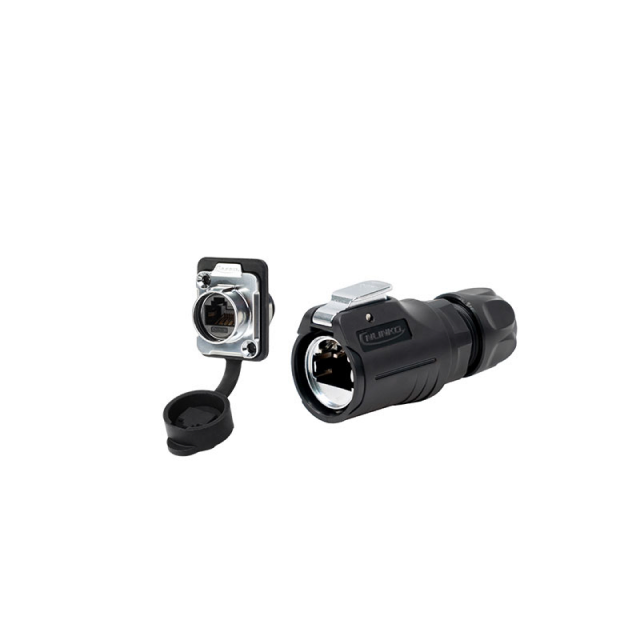
III. LP12 Series 3-Pin Quick-Lock Connector Example
The CNLINKO LP12 Series uses a patented quick-lock design based on “push to lock, press to release.” Once fully inserted, the latch retains the connection; pressing the release allows the plug to be removed without repeated rotation. This can reduce operating steps in equipment that requires frequent setup, module changes, or scheduled maintenance.
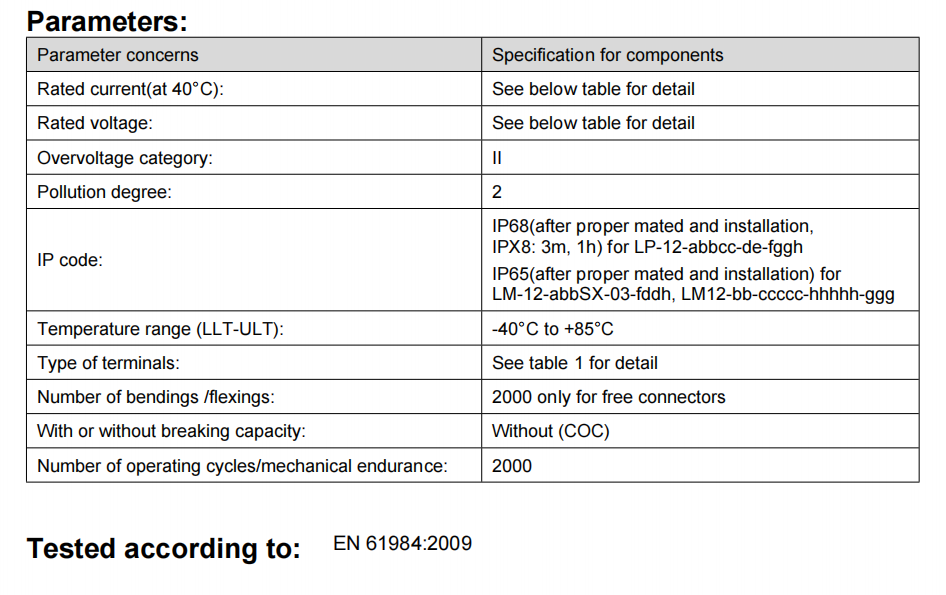
According to CNLINKO TÜV certificates and parameter tables, certified LP12 models cover 2 to 8 pins. Key parameters for relevant LP12 3-pin configurations include:
- Rated current: 5 A at 40°C ambient
- Rated voltage: 100 VAC or 125 VAC, depending on termination configuration
- Conductor range: 22–20 AWG
- Termination: solder or screw, depending on model
- Operating temperature: −40°C to +85°C
- Mechanical endurance: 2,000 operating cycles
- Protection: IP68 after proper mating and installation; IPX8 test condition: 3 m for 1 hour
The products were evaluated to EN 61984:2009. Because voltage and termination vary by model, selection must be based on the complete part number rather than a single configuration.
Based on its structure and parameters, an LP12 Series 3-pin quick-lock connector may be considered for frequently commissioned instruments, replaceable modules, compact equipment requiring efficient batch assembly, and interfaces exposed to specified immersion conditions.
IV. LM12 Series 6-Pin Threaded Cable Assembly Example
The CNLINKO LM12 Series uses threaded locking. After the plug and receptacle are aligned, the coupling sleeve is rotated to engage the threads and retain the connection.
Threaded locking is slower than a quick-lock mechanism, but its engagement process and final locking state are clear. The compact circular LM12 interface is suited to space-constrained equipment and connections that are rarely disconnected.
A cable assembly pre-integrates the connector, cable, and termination, reducing field wiring. For volume projects that require consistent cable length, pinout, and interface configuration, prefabricated assemblies can also improve assembly consistency.
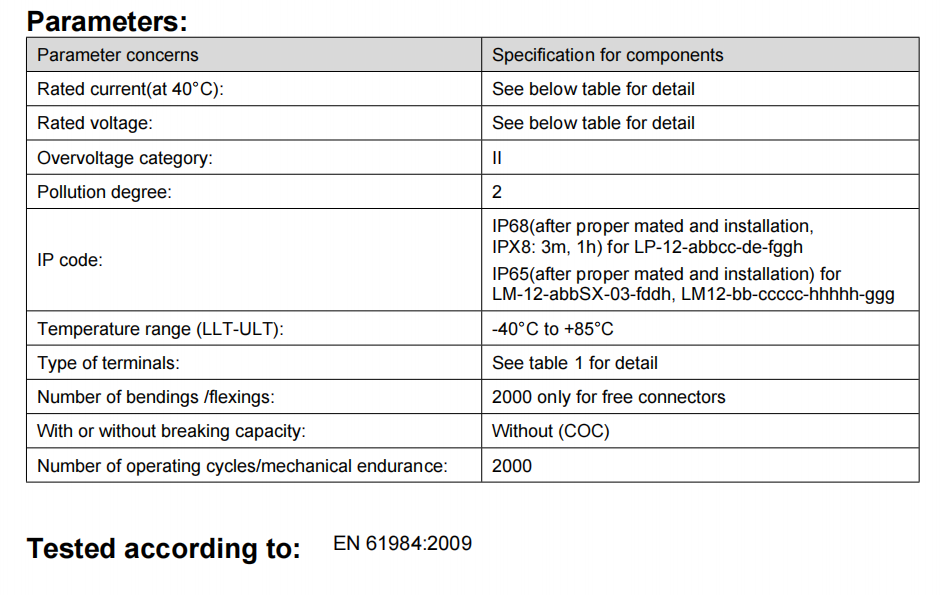
According to the TÜV certificate and parameter table, the certified LM12 range includes free and fixed connectors. Free connectors cover 5 to 12 pins, while fixed connectors cover 6 to 12 pins. Relevant LM12 6-pin cable assembly parameters include:
- Rated current: 3 A at 40°C ambient
- Rated voltage: 30 VAC
- Conductor range: 24–26 AWG
- Termination: solder
- Operating temperature: −40°C to +85°C
- Mechanical endurance: 2,000 operating cycles
- Protection: IP65 after proper mating and installation
Combining threaded locking with a prefabricated cable, this solution may be considered for compact, low-voltage, multi-pin signal interfaces that are rarely disconnected and where a clear threaded engagement state is preferred.
V. How to Select for Frequently Serviced Equipment
1. Service Frequency
For frequent commissioning, calibration, or module replacement, prioritize quick-lock connectors. For connections that are rarely disconnected, consider threaded connectors.
2. Operating Clearance
Quick-lock designs mainly require axial insertion and release clearance. Threaded designs require room to rotate the coupling sleeve. For dense interfaces or obstructed installations, perform a sample fit check first.
3. Mechanical Conditions
Vibration resistance cannot be inferred from the lock type alone. Mechanical stops, housing strength, cable retention, and assembly condition also matter. Under vibration, shock, or cable pull, review the applicable test data and provide strain relief.
4. Electrical Requirements
The locking method does not replace electrical matching. Confirm pin count, current, voltage, conductor size, termination method, and operating temperature.
5. Protection Requirements
Match the exact model’s protection rating, test conditions, and applicable state to the equipment’s exposure to dust, spray, immersion, or washdown. Identical IP markings may represent different real-world limits when test and installation conditions differ.
VI. What a TÜV Certificate Can Confirm
A TÜV certificate can confirm the certified model range, applicable standard, and key parameters such as current, voltage, conductor range, operating temperature, mechanical endurance, and protection rating.
If a certificate identifies the product as a connector without breaking capacity, it must not be used to make or break a circuit under load. De-energize the circuit before mating or unmating.
Certification does not replace equipment-level validation. Also review the exact-model datasheet, dimensions, pin assignments, termination, installation requirements, and test conditions. For frequently serviced equipment, use samples to assess service time, access, and cable interference.
Quick-lock and threaded connectors serve different priorities. Quick-lock designs support frequent commissioning, module replacement, and batch assembly. Threaded designs suit compact, stable connections that are rarely disconnected.
In CNLINKO’s portfolio, the LP12 Series 3-pin connector uses quick-locking, while the LM12 Series 6-pin cable assembly uses threaded locking, providing options for different service frequencies and installation needs.
For exact-model electrical data, protection performance, and certifications, contact CNLINKO customer service for datasheets and test reports or download them from the CNLINKO website. Final selection should be confirmed against the actual cable, installation method, and operating environment.