















When purchasing industrial waterproof connectors, one question comes up often: does an IP68 or IPX9K rating mean the product will meet the equipment’s actual waterproofing needs? Not necessarily. IP68 and IPX9K represent different test conditions, while actual protection also depends on the exact model, test standard, mated state, cable size, and installation method.
Connector suitability should therefore be evaluated through a clear link between the operating environment, product configuration, test conditions, and results—not by the IP code alone.
I. Is the Equipment Exposed to Immersion or High-Pressure Washdown
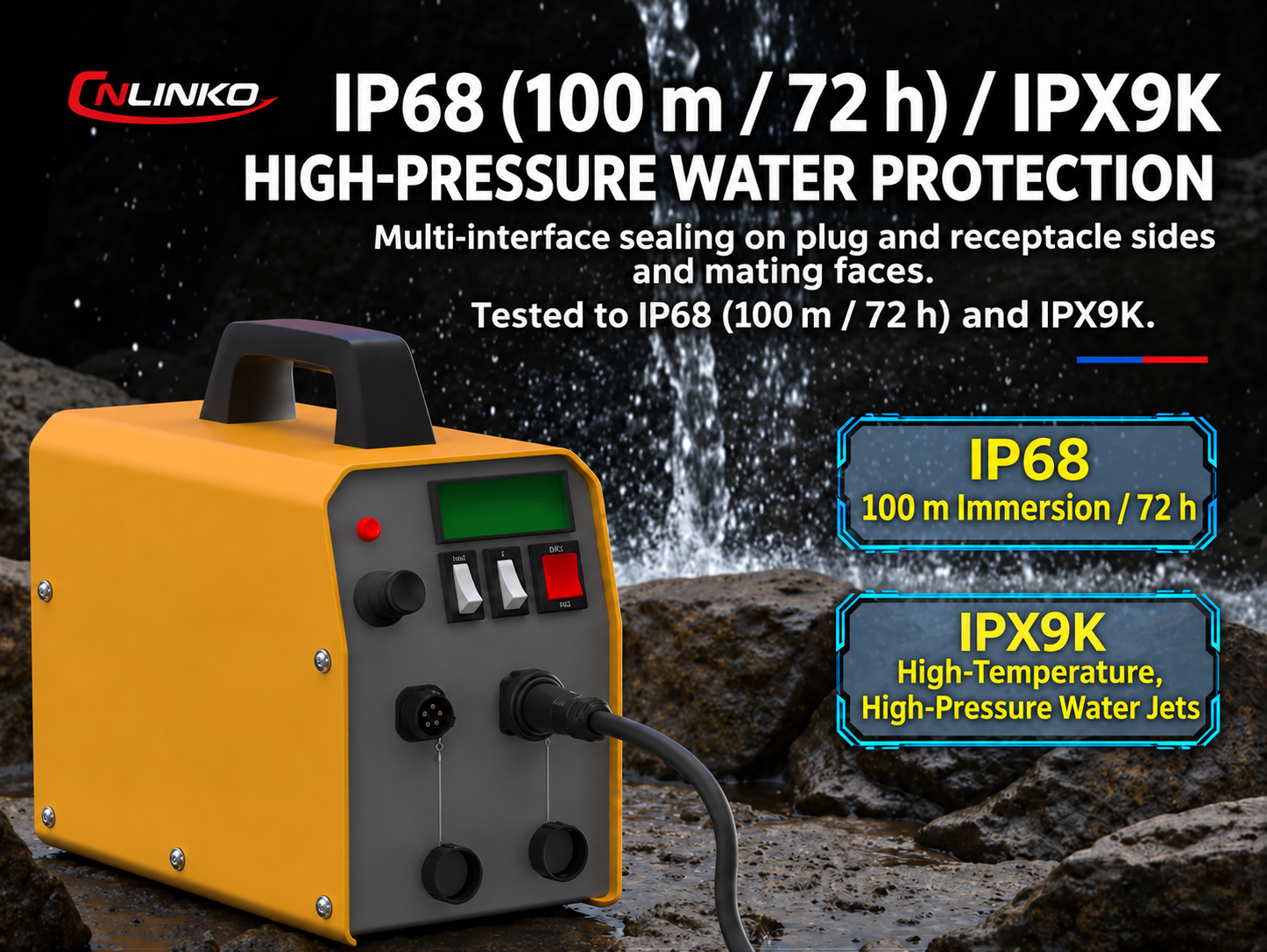
IP68 and IPX9K address different water-exposure conditions. IP68 primarily verifies dust protection and resistance to immersion at a specified depth or pressure for a specified time. IPX9K verifies resistance to close-range, high-temperature, high-pressure water jets.
1. IP68 Mainly Addresses Dust and Immersion
In IP68, “6” means dust-tight protection. “8” means the product is tested for continuous immersion under conditions specified by the manufacturer and meets the applicable acceptance criteria.
IPX8 conditions are not universal. Water depth, pressure, and test duration may vary by product. IP68 therefore does not mean unlimited operation at any depth or for any length of time.
For outdoor equipment, underground systems, construction machinery, new-energy equipment, and systems exposed to standing water or temporary immersion, verify the immersion depth or pressure, duration, model, and sample quantity. Also confirm whether the plug and receptacle were normally mated, whether the actual cable, seals, and accessories were installed, and what the post-test leakage and electrical results were.
2. IPX9K Mainly Addresses High-Temperature High-Pressure Washdown
IPX9K verifies the connector’s ability to withstand close-range, high-temperature, high-pressure water jets. The temperature, pressure, and impact of the water can create ingress paths at housing joints, cable entries, seals, and panel interfaces.
To determine whether an IPX9K result applies to a specific machine, verify the standard and edition, water temperature, water or jet pressure, flow rate, spray distance, spray angles, exposure time at each angle, sample condition, and final result. IPX9K is relevant to construction machinery, food processing and packaging equipment, special-purpose vehicles, cleaning equipment, and other systems subject to pressure washing.
IPX9K does not replace IPX8. Passing a high-pressure jet test does not prove continuous immersion protection under specified IPX8 conditions.
II. Why the Test Standard and Conditions Must Be Verified
An industrial connector’s IP rating has clear engineering value only when it is tied to a test standard, an exact product model, and defined test conditions.
Dust and immersion testing is commonly performed to IEC 60529, GB/T 4208, or another applicable project specification. For IPX9K, verify the exact standard system cited in the report, such as ISO 20653 or an applicable product standard.
ISO 20653 primarily applies to electrical equipment in road vehicles. Whether the same method is appropriate for other industrial equipment should be determined from the product standard, project requirements, and supplier-customer agreement. An IEC IPX9 claim and an ISO 20653 IPX9K claim should not be treated as identical without supporting test evidence.
Before purchasing, confirm that the report covers the complete model being considered and that the plug, receptacle, cable, seals, and accessories match the intended configuration. Verify whether the sample was mated, capped, unmated, or tested as a single-sided configuration, together with all immersion and spray conditions.
The report should also document internal water ingress, electrical performance, other acceptance criteria, report number, test date, laboratory, and applicable standard. Different pin counts, materials, termination methods, or sealing configurations within one series may perform differently. A result for one model should not be extended to an entire series without evidence.
III. CNLINKO DL28 Series 4-Pin Connector IP68 and IPX9K Example
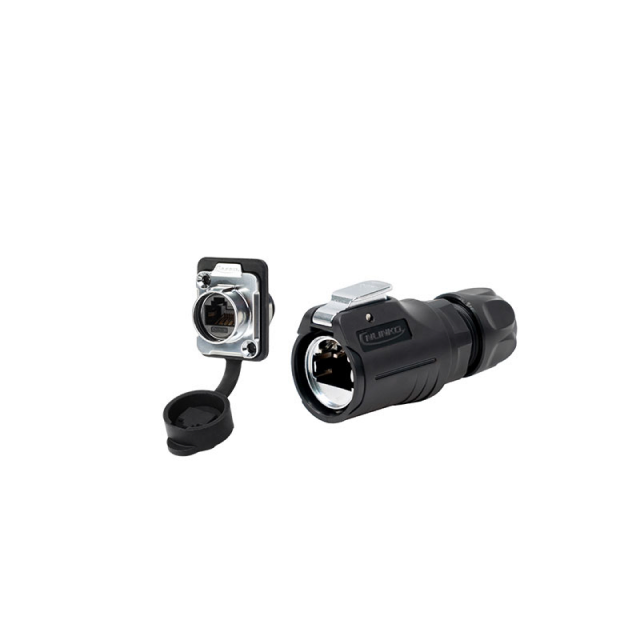
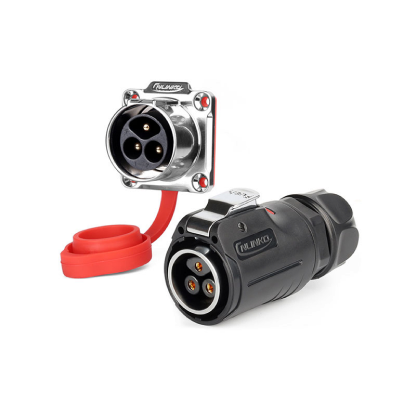
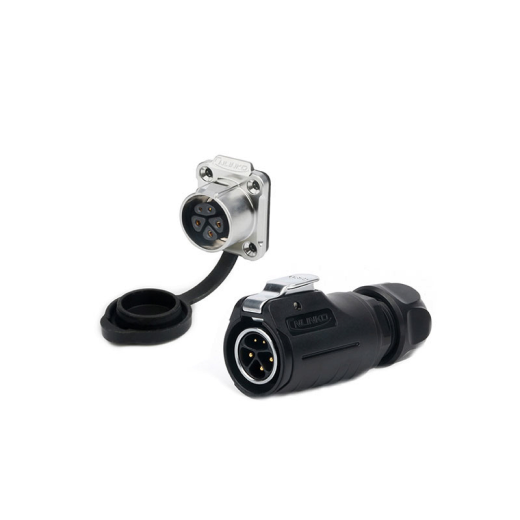
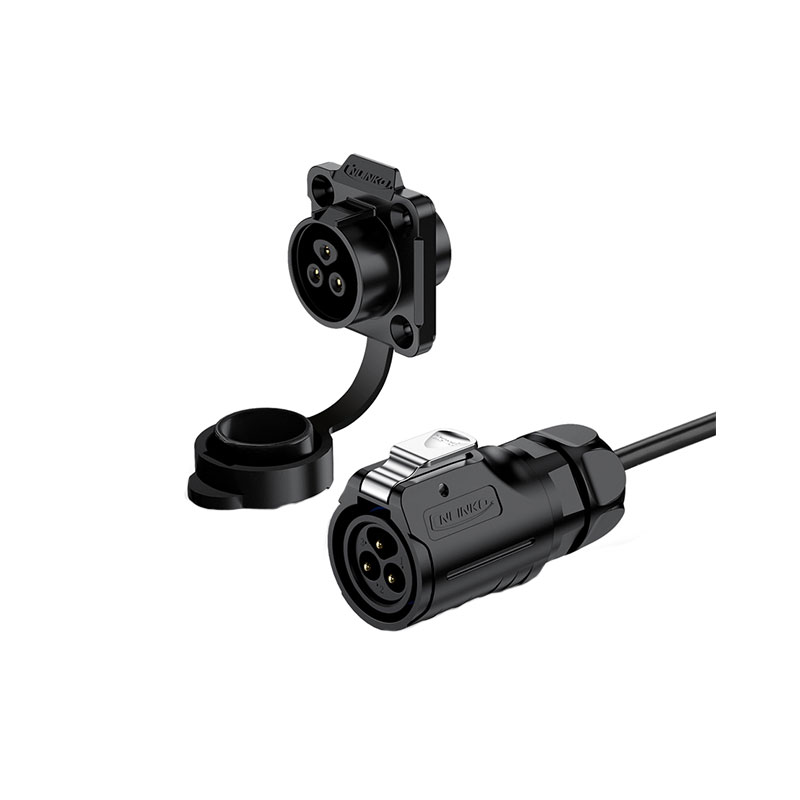
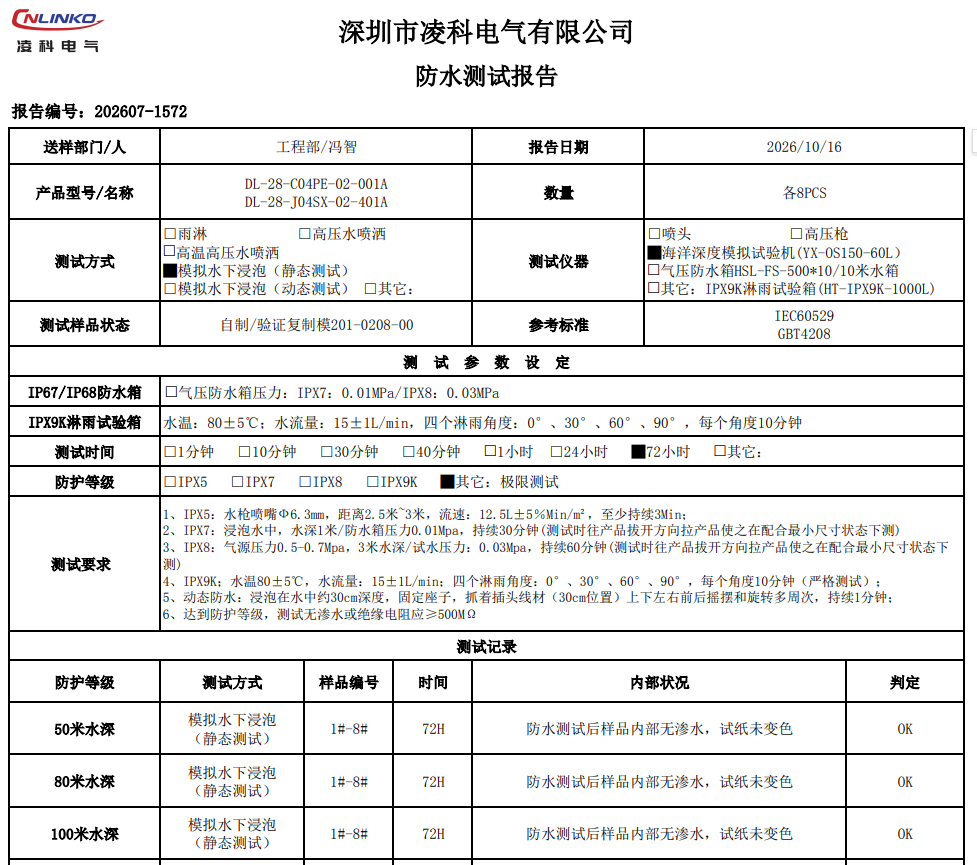
The waterproof test report for a CNLINKO DL28 Series 4-pin connector records the exact models, sample condition, reference standards, test conditions, and results, providing model-specific evidence for equipment selection.
1. Test Samples and Report Information
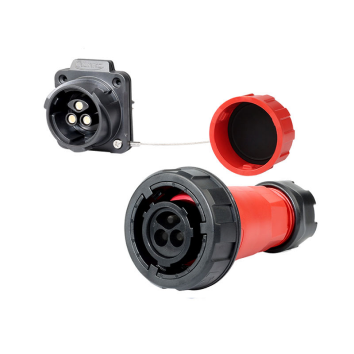
The test covered a mated DL28 Series 4-pin plug-and-receptacle combination: DL-28-C04PB-02-001A and DL-28-J04SX-02-401A. Report No. 202607-1572 covered eight samples. The report references IEC 60529 and GB/T 4208 and states that the mated samples underwent simulated static underwater immersion testing.
2. IP68 Deep-Water Immersion Result
Under the specified mated condition, the DL28 Series 4-pin connector passed a 72-hour immersion test at a maximum depth of 100 m. After testing, no water was found inside the samples, the indicator paper showed no color change, and the result was rated “OK.”
This demonstrates strong deep-water immersion protection for the exact models and assembled configuration in the report. The result applies only to the listed models, mated state, and test conditions.
3. IPX9K Spray Test Conditions
The report lists the following IPX9K settings: water temperature 80 ± 5°C, flow rate 15 ± 1 L/min, spray angles of 0°, 30°, 60°, and 90°, and 10 minutes at each angle.
When applying these results, engineers should review the complete test record for jet pressure, spray distance, sample mounting, and final acceptance results, and confirm that the setup matches the actual washdown conditions. Model-specific reports turn an IP68/IPX9K label into verifiable evidence tied to a defined product, state, and test method.
IV. Applications That May Benefit from the DL28 Series
The DL28 Series may be considered where equipment faces both immersion risk and high-pressure washdown.
1. Construction Machinery and Outdoor Equipment
Construction machinery may be exposed to dust, rain, muddy splash, standing water, and pressure washing after operation. Immersion and high-temperature, high-pressure spray protection should be evaluated separately.
2. New-Energy and Outdoor Electrical Equipment
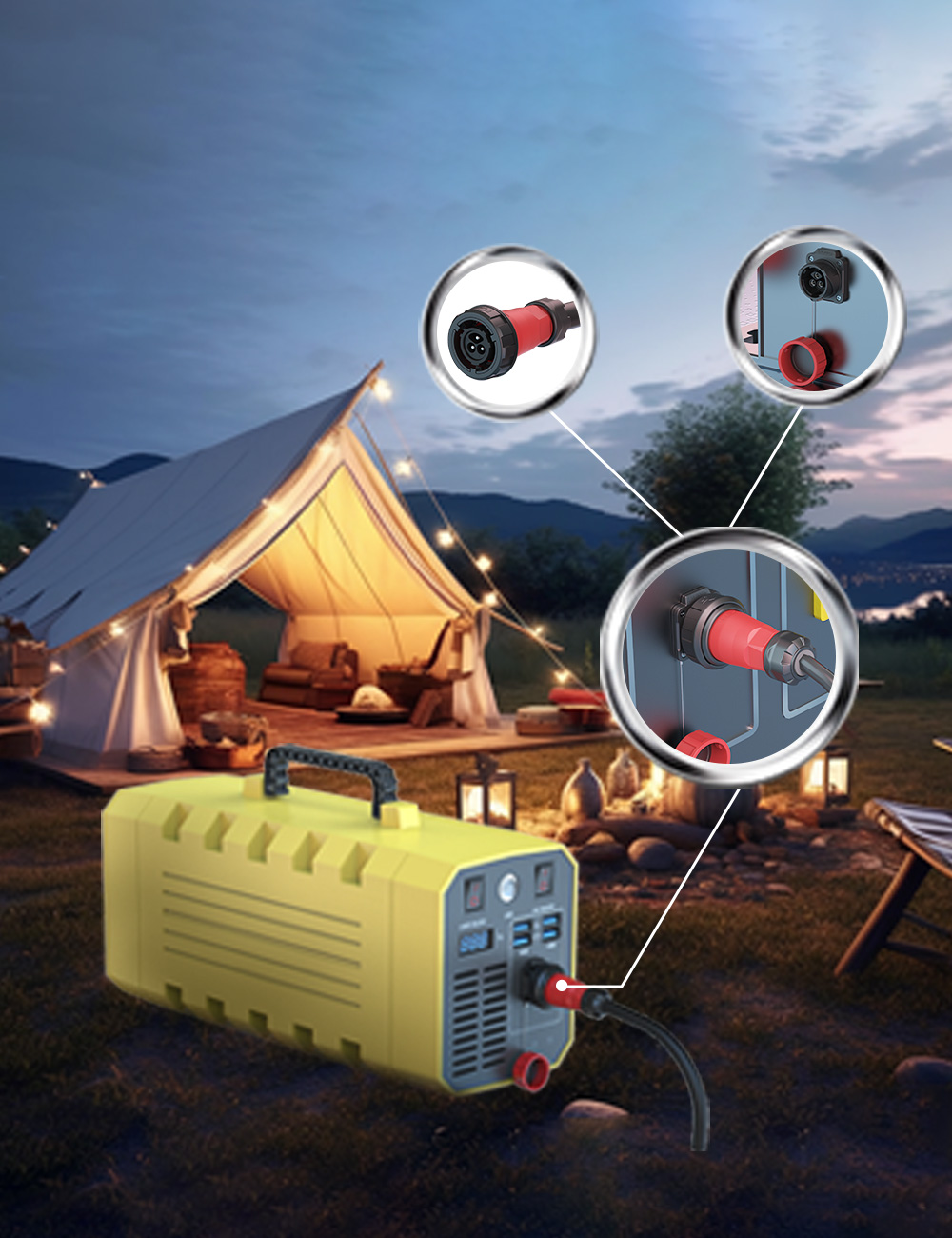
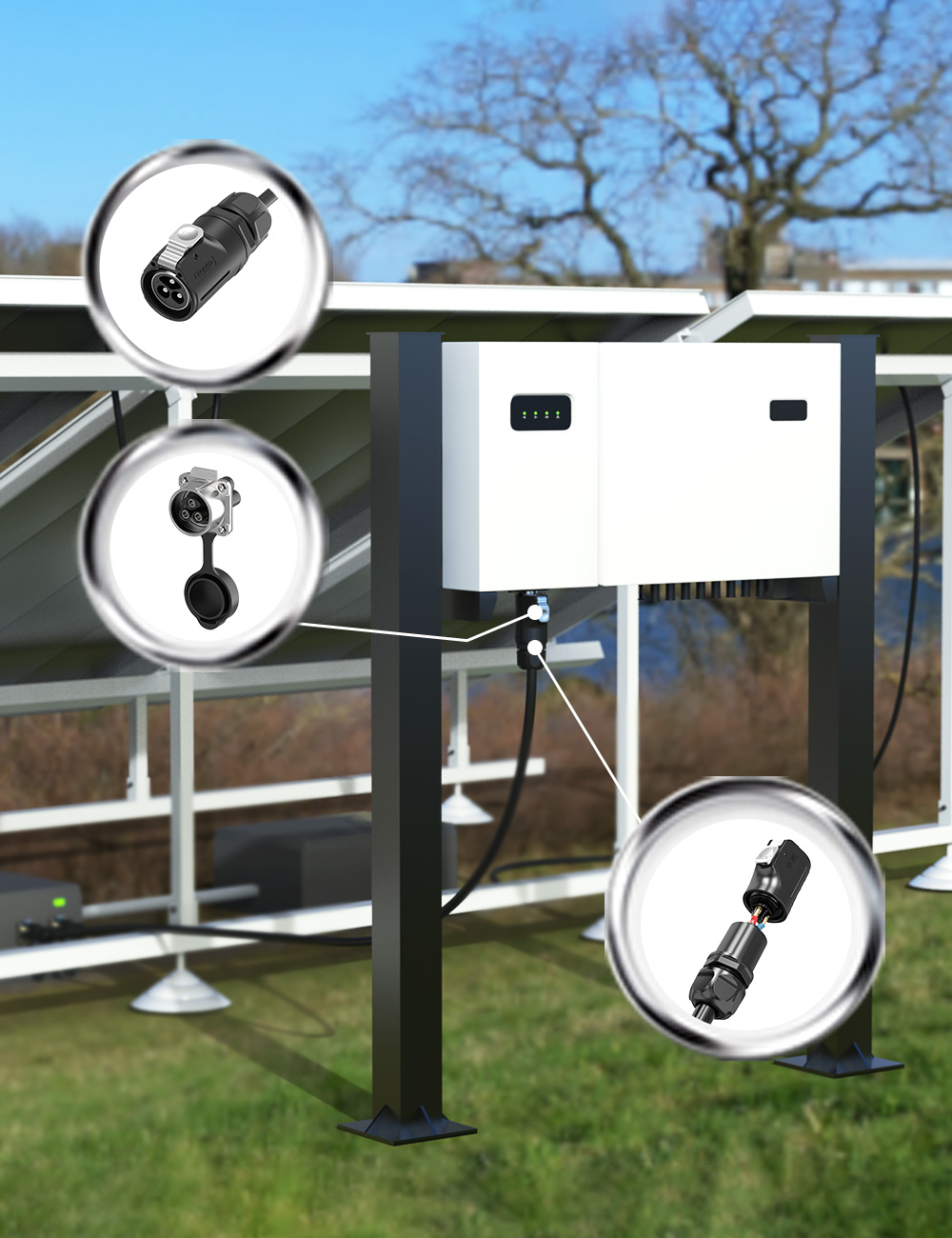
Energy storage equipment, industrial power systems, photovoltaic equipment, and outdoor cabinets may be exposed to rain, condensation, standing water, and washdown. Compare the report conditions with the interface location, cable specification, and final installation.
3. Washdown and Industrial Processing Equipment
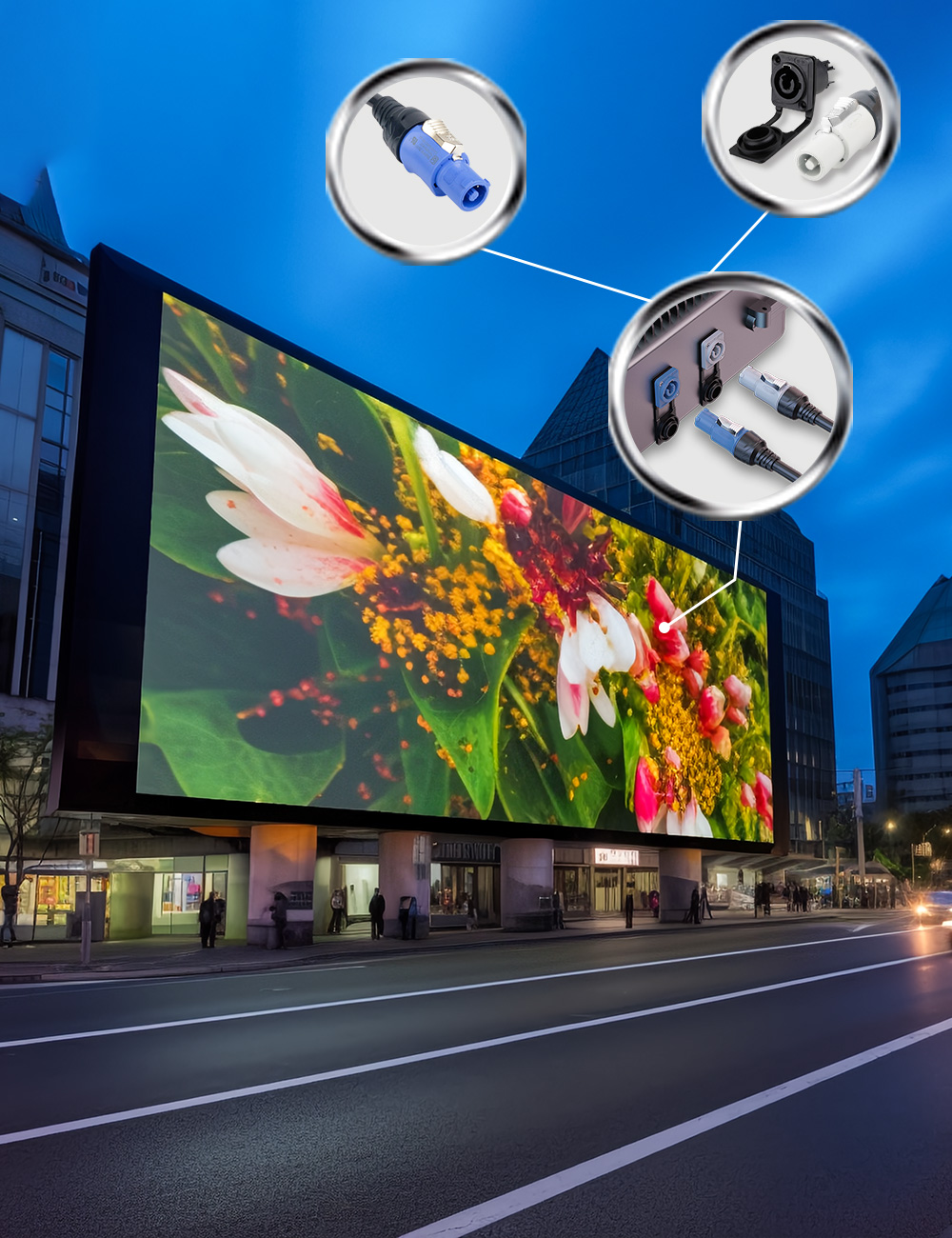
Food processing, packaging, cleaning, and other periodically washed equipment may expose interfaces to hot water or high-pressure spray. In addition to the IP rating, assess material temperature resistance, corrosion resistance, and seal maintenance requirements.
Final suitability of a DL28 Series 4-pin connector also depends on rated current, rated voltage, cable diameter, termination method, installation space, and certification requirements—not the protection rating alone.
V. Documents to Obtain Before Purchasing Waterproof Connectors
Request the exact-model datasheet, dimensional drawing, panel cutout, compatible cable diameter, and conductor range. Also obtain installation, termination, and locking instructions, plus the matching IP68/IPX9K test report. Check the standard, sample condition, test parameters, and results.
For long-life equipment, review seal inspection, replacement, and maintenance requirements, along with certifications and compliance documentation. For demanding projects, test samples with the actual cable, panel, seals, and assembly process. Where necessary, repeat protection testing after vibration, temperature cycling, mechanical shock, or repeated mating to verify long-term seal retention.
IP68 and IPX9K performance must be assessed against the exact model, assembled state, standard, and test conditions—not the rating alone.
The DL28 Series 4-pin waterproof testing was completed in CNLINKO UL- and TÜV-authorized witness laboratories, and CNLINKO issued the corresponding report. The report documents the models, sample condition, immersion depth, duration, and results for equipment selection and protection assessment.
To verify protection for a specific model, contact CNLINKO customer service for datasheets and test reports, or download them from the CNLINKO website. Final selection should still be confirmed against the actual cable, installation method, and operating environment.