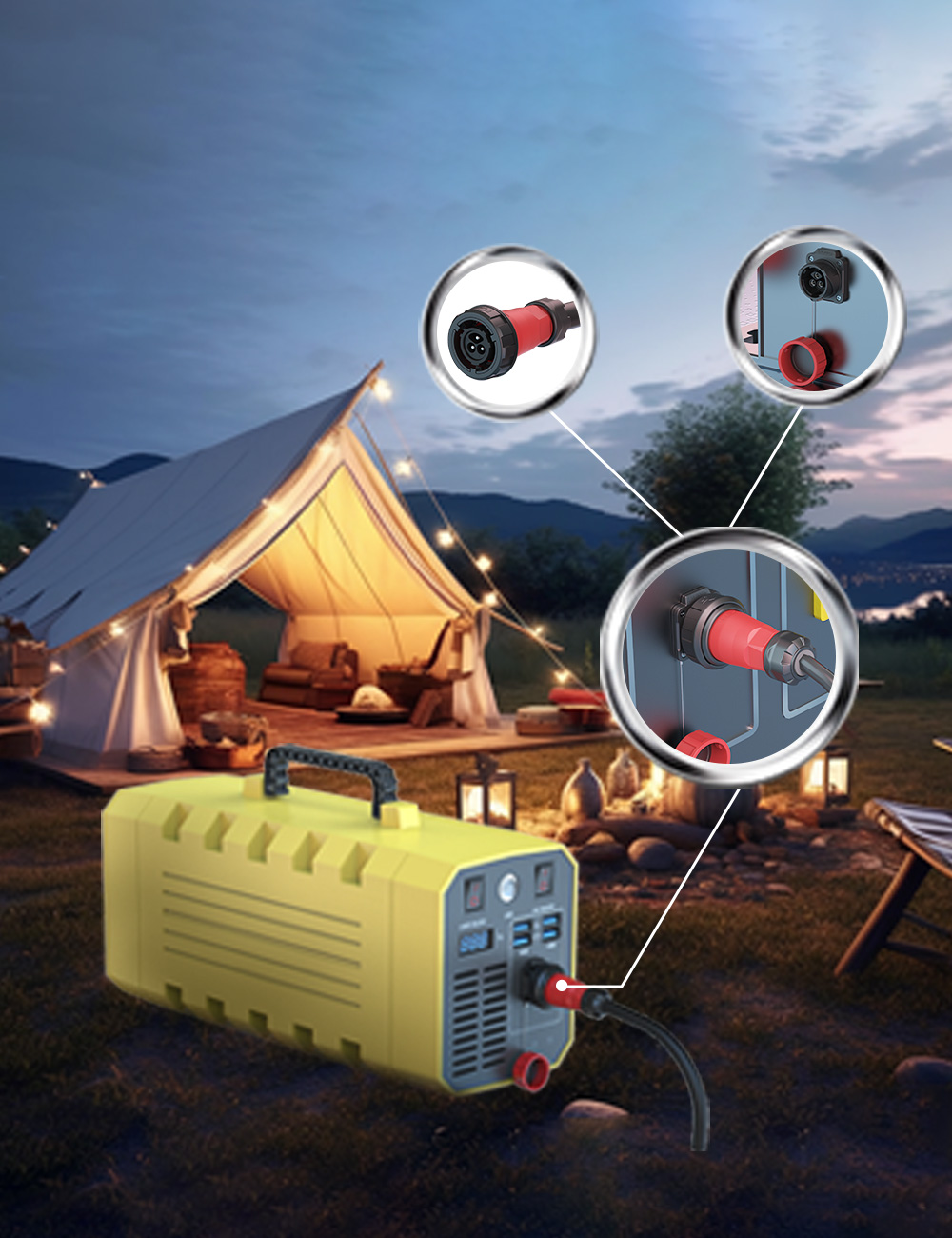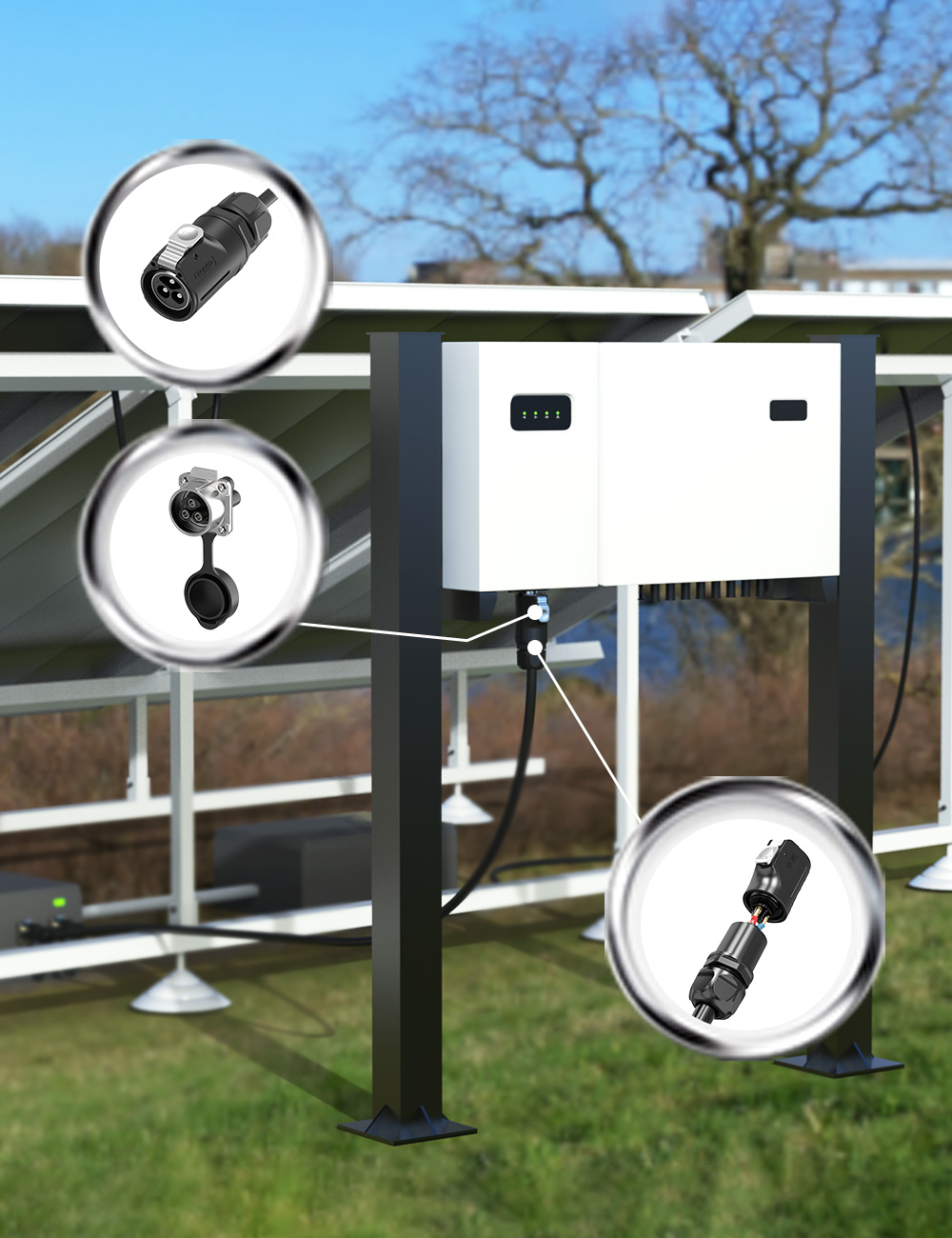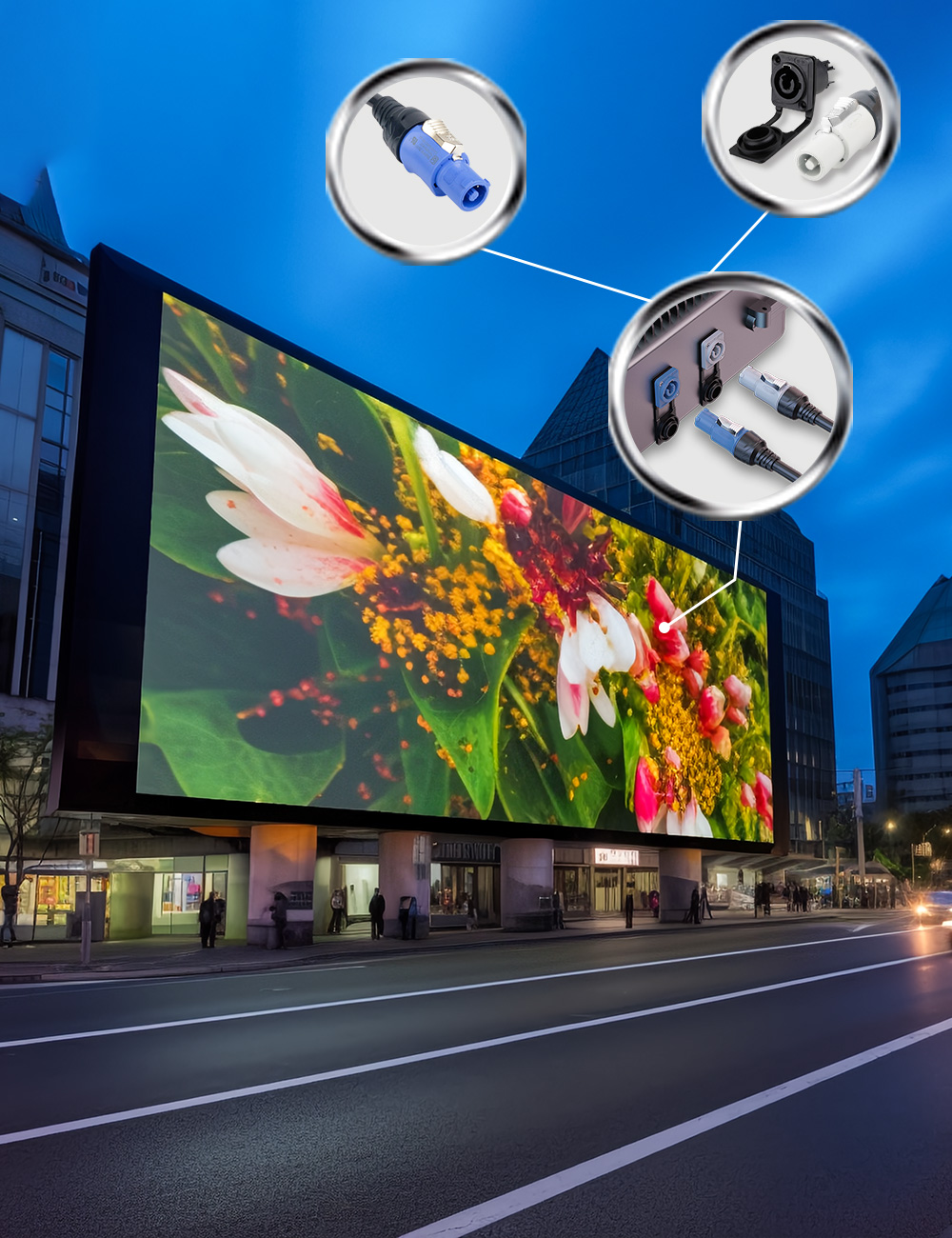
















Connectors used in outdoor equipment should be evaluated under the actual operating environment, with particular attention to water and dust protection, temperature changes, UV exposure, salt-spray corrosion, vibration and shock, mating durability, and electrical performance. An IP rating alone is not enough. Test plans should match the equipment’s location, installation position, maintenance frequency, and cable conditions. The sample, connection state, and test conditions must correspond to the model being purchased.
Define the Test Plan Based on Outdoor Operating Conditions
Before purchasing, determine whether the equipment will be exposed to prolonged rain, immersion, high-pressure washing, high or low temperatures, UV radiation, or salt spray. Also identify any vibration, impact, cable pulling, or frequent mating. Outdoor lighting, photovoltaic equipment, coastal installations, and mobile robots face different risks, so one standard test package should not be applied indiscriminately to every product.
What Should Be Checked Beyond the IP Rating?
An IP rating describes enclosure protection under specified conditions, but it does not replace validation of temperature, corrosion, mechanical, or electrical performance. IP68 primarily addresses immersion protection under specified conditions, while IPX9K focuses on high-temperature, high-pressure water jets. The two ratings are not interchangeable.
Also check whether the cable outer diameter matches the sealing structure and whether the connector meets requirements in its actual mated condition.
Why Are Temperature, Salt-Spray, UV, and Vibration Tests Important?
Temperature changes can affect materials and sealing interfaces. Corrosive environments can degrade metal components and contact surfaces. UV exposure can affect certain housing materials. Vibration and cable pulling can alter locking and contact conditions.
Select specific tests according to the environmental risks, then evaluate the results together with contact resistance, insulation, temperature rise, and mating durability.
Which Standards Can Be Used as References for These Tests?
IEC 60529 is used to assess IP protection ratings. Applicable requirements for IPX9K can be referenced in standards such as ISO 20653. Salt-spray testing can reference ISO 9227 or IEC 60068-2-11. Vibration, shock, and temperature-change testing can reference IEC 60068-2-6, IEC 60068-2-27, and IEC 60068-2-14, respectively. Mating durability can reference IEC 60512-9-1. The applicable standard should be confirmed based on the product category, test objective, and customer requirements.
How Should Test Results Be Used in Purchasing Decisions?
Check the model covered by the report, sample configuration, connection state, environmental conditions, test duration, and acceptance criteria. Salt-spray test duration does not equal the number of years a product will last outdoors. Passing an IP test does not automatically prove that a model meets all temperature, vibration, and electrical requirements.
For high-risk projects, consider sample installation or small-batch validation before committing to mass production.
What Outdoor Connector Validation Tests Can CNLINKO Perform?
CNLINKO operates UL- and TÜV-authorized Witness Testing Laboratories and can conduct water and dust protection, electrical performance, mating-cycle life, vibration, and shock tests.
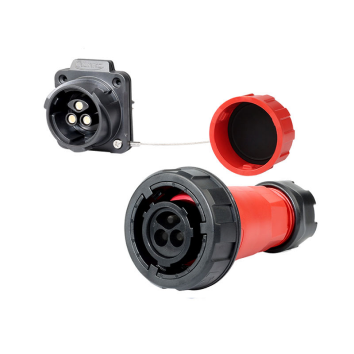
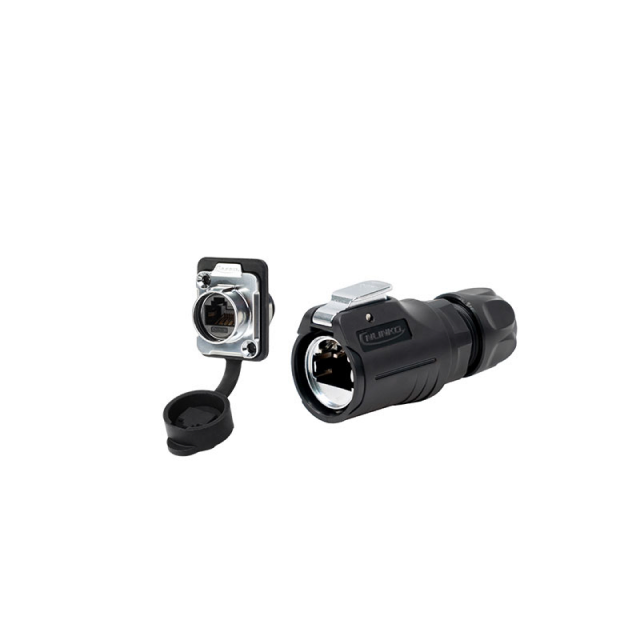
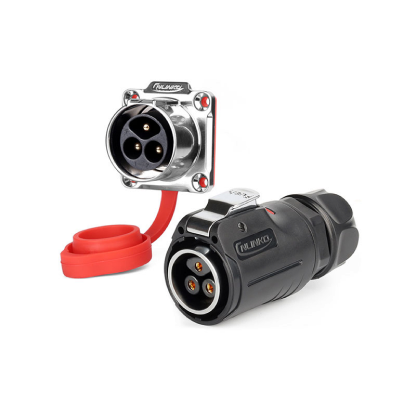
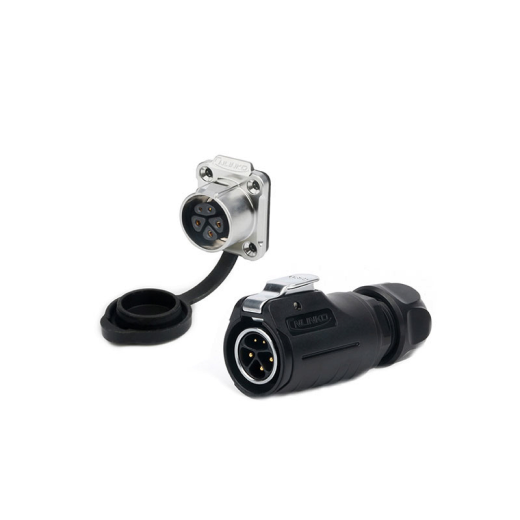
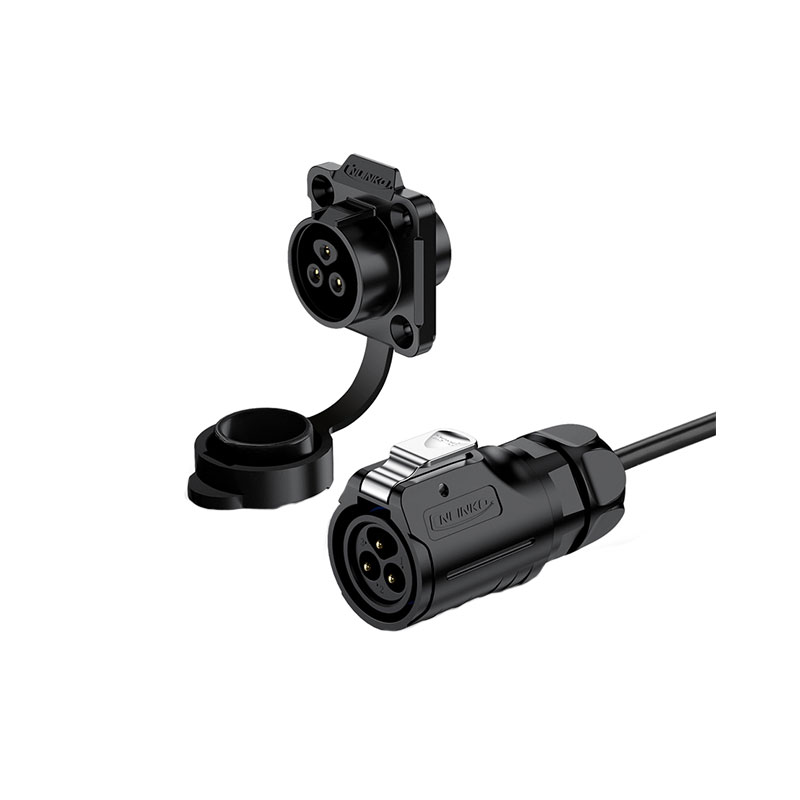
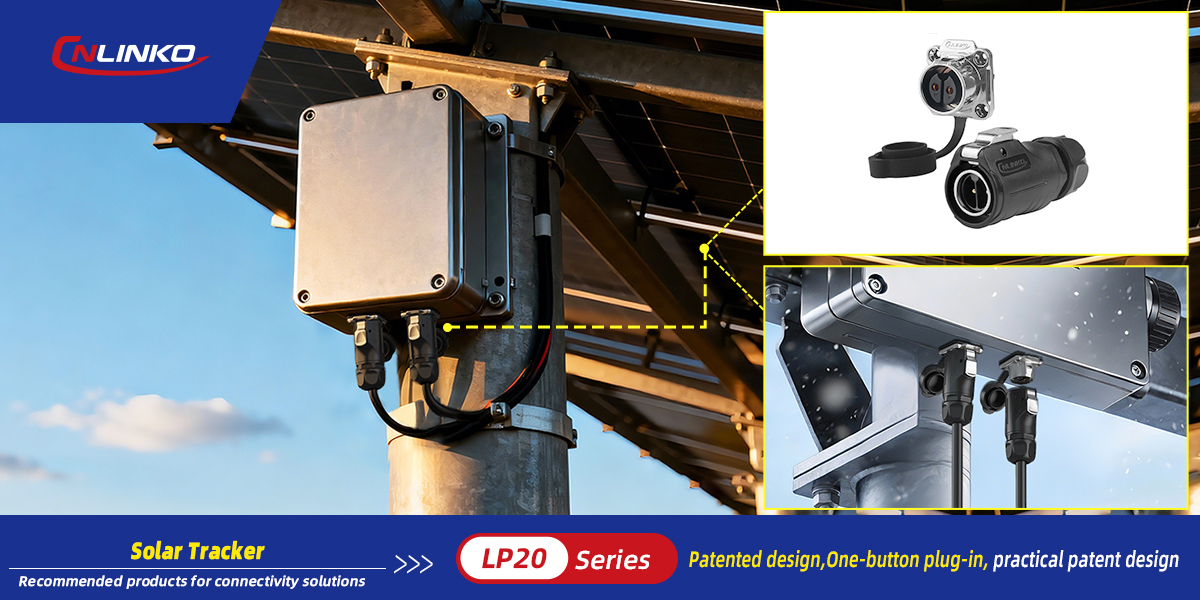
Selected models of the LP Series circular connectors feature IP68/IPX9K protection configurations. The all-plastic YM Series can be considered where lightweight construction and corrosion resistance are priorities. The all-metal DH Series is suitable for applications where mechanical strength is a key consideration.
Before purchasing, check that the test report covers the relevant model and test conditions. Depending on the actual operating environment, confirm whether additional UV, salt-spray, temperature-cycling, or vibration testing is required.