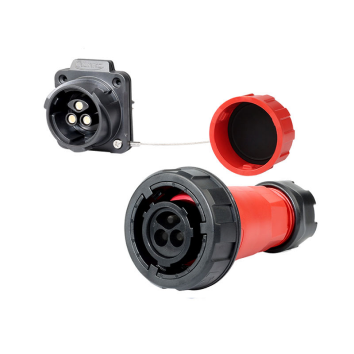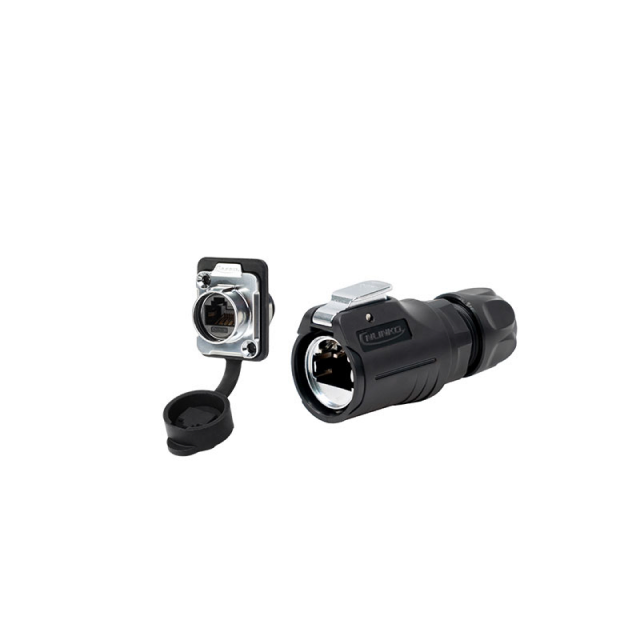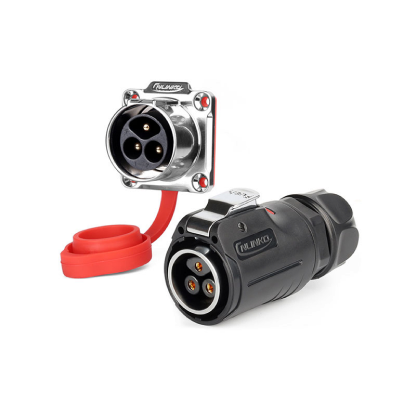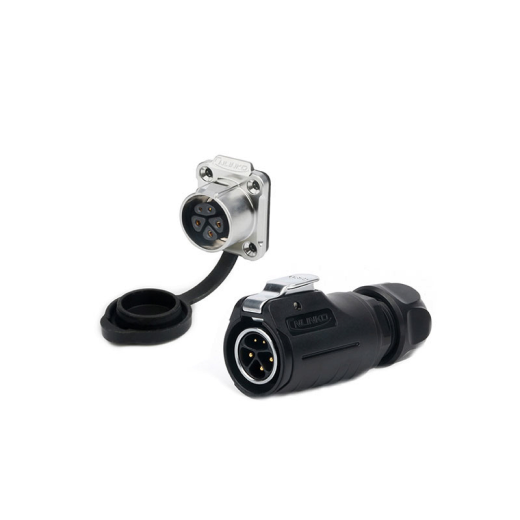













Common installation errors include conductor sizes outside the terminal range, incomplete crimps, poor solder joints, incorrect screw torque, improperly installed seals, incomplete mating or locking, and sustained cable strain. After installation, do not stop at verifying electrical continuity. Check termination quality, locking position, the sealing path, cable strain, and critical electrical characteristics.
What should you inspect after wiring and installation?
First, confirm the conductor falls within the connector’s permitted wire range and that the terminal, wire, and tool are compatible. Second, inspect the termination: a complete crimp, solder joints without cold solder or overheating, and properly tightened screw clamps. Third, ensure the plug and receptacle are fully mated and locked. Fourth, check O-rings, rear cable seals, and the panel mating surface. Fifth, confirm that the cable exit is not continuously pulled, sharply bent, or transferring outside loads directly to the contacts.
How can wiring errors cause heating, loosening, or water ingress?
Current flows through the conductor, termination, and mating contact as one path. A poor crimp, loose screw, or defective solder joint reduces effective contact area and raises contact resistance, producing additional heat under high current. Persistent cable strain can loosen a terminal or create an intermittent connection. A mismatch between cable outside diameter and rear seal can break the waterproofing path. Consequently, a field failure may arise from installation workmanship rather than a defect in the connector itself.
Which standards are relevant to different termination methods?
IEC 60352-2 provides relevant requirements for crimped connections, including consistency among terminals, conductors, and crimping processes. IEC 60999-1 may apply to certain screw-type and screwless clamping units. Evaluate overall connector safety and performance against the applicable product standards and test methods. Standards do not replace the manufacturer’s instructions for strip length, crimp tool, screw torque, and assembly sequence.
How do you choose among solder, crimp, and screw-clamp terminations?
Depending on product design, solder terminations may be suitable for multipin layouts, small conductors, or low-volume assembly. Crimps generally suit standardized harnesses and volume production. Screw clamps can be useful for field installation, repair, or larger conductors. Avoid blanket assumptions that high current always requires screw clamps or that crimping is inherently more reliable. Consider the contact design, conductor size, tooling, and process controls; for outdoor work, also confirm the cable-diameter range of the seal.

How does CNLINKO verify reliability after installation and wiring?
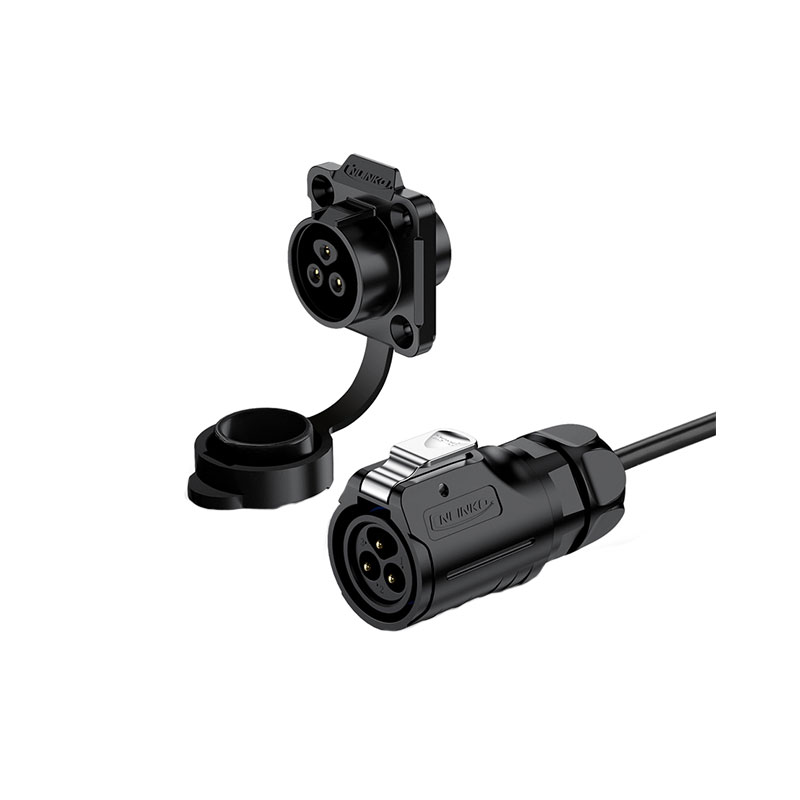
Across its product families, CNLINKO offers solder, crimp, and screw-clamp terminations, with single-hole, two-hole, and four-hole flange mounting as well as inline cable-to-cable configurations. The three-contact DL28 Series, for example, accepts 10–16 mm² (8–6 AWG) conductors for high-current wiring. Under specified laboratory conditions, it achieved a 50 A rated current, maximum temperature rise of ≤50 K, and contact resistance of ≤1.0 mΩ. Installation quality can also be checked through contact retention, cable pull, contact resistance, temperature rise, mating, vibration, and IP protection tests. Follow the work instructions for the exact model during assembly.