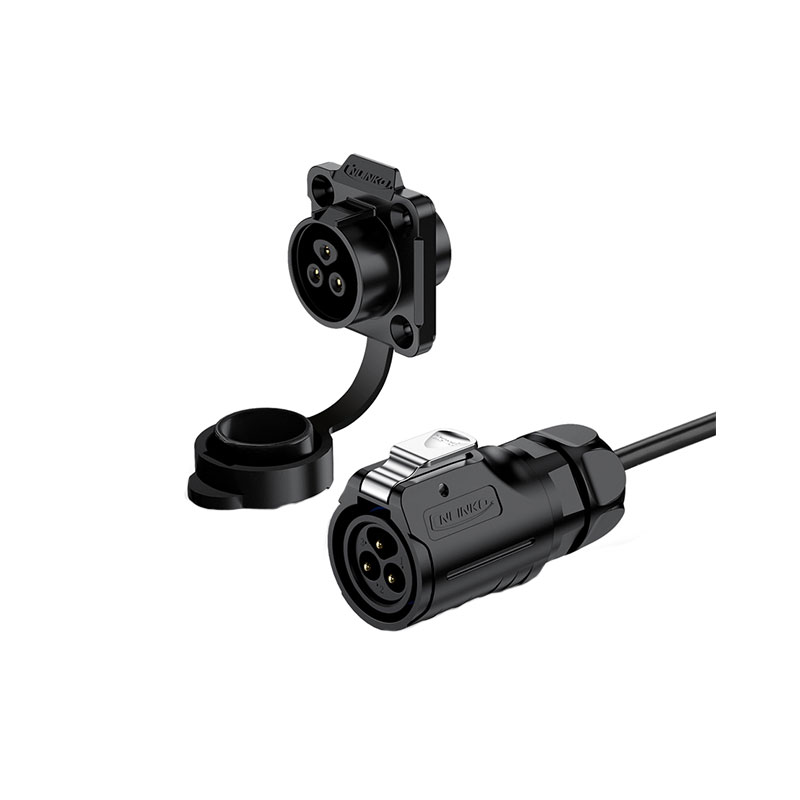














Selecting an industrial fiber-optic connector involves more than confirming that it can carry optical fiber. Key factors include fiber type, insertion loss and return loss, protection rating, locking mechanism, cable bending, and the actual operating environment. For outdoor, humid, dusty, high-pressure washdown, or vibration-prone equipment, also evaluate IP68/IPX9K protection in the mated condition, interface contamination, and cable loading to help maintain stable fiber-optic data transmission over time.
Which Parameters Matter Most When Selecting an Industrial Fiber-Optic Connector?
First, confirm the fiber type and optical performance. Verify whether the application uses single-mode or multimode fiber, the number of fiber channels, and compatibility with the equipment interface. Pay particular attention to insertion loss and return loss. Higher insertion loss means greater optical attenuation through the connection, while return loss indicates the amount of optical reflection at the connection point.
Second, consider the number of interfaces and the level of integration required. If the equipment needs fiber-optic data together with power or control signals, a hybrid optical-electrical connector can reduce the number of panel interfaces and simplify cabling.
Third, evaluate environmental protection. Outdoor fiber-optic connectors may be exposed not only to rain and dust but also to immersion, humidity, or equipment washdown, so IP68 and IPX9K ratings may be relevant depending on the application.
Fourth, evaluate locking, cable bending, and end-face protection. Vibration, cable pull, or bending below the allowable radius can affect optical performance. Dust or oil contamination on the fiber end face can also introduce additional loss.
Why Are Harsh Environments More Demanding for Fiber-Optic Connections?
Fiber-optic connections are sensitive to interface cleanliness and geometry. In industrial environments, dust, moisture, vibration, or repeated disconnection can introduce contamination into the optical contact area, while long-term cable pull or bending can increase transmission loss.
An industrial fiber-optic connector therefore must do more than establish an optical path. Stable locking, sealing, and cable protection are needed to help maintain optical performance in complex environments.
Which Standards Can Be Referenced for Industrial Fiber-Optic Connectors?
Attenuation testing for fiber-optic connectors can reference IEC 61300-3-4, while return-loss testing can reference IEC 61300-3-6. These methods are used to measure optical attenuation and return loss, respectively.
For outdoor protection, IP68 is part of the IEC 60529 ingress-protection system. Where high-pressure, high-temperature water jets are present, IPX9K can be evaluated with reference to ISO 20653.
How Should Different Equipment Types Be Evaluated?
Industrial automation, machine vision, and laser equipment should emphasize low insertion loss, stable locking, and maintainability. Outdoor equipment also requires attention to IP protection, sealing, and contamination control. AI computing equipment that needs both fiber-optic data and electrical connections may benefit from an optical-electrical hybrid solution to reduce interface count.
A high IP rating should not be applied mechanically to every operating condition. Allowable fiber-cable bend radius, interface-cleanliness requirements, and actual immersion conditions must still be evaluated against the specific connector and cable specifications.

Which Industrial Fiber-Optic Connection Solutions Does CNLINKO Offer?
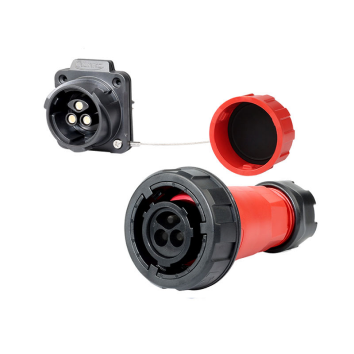
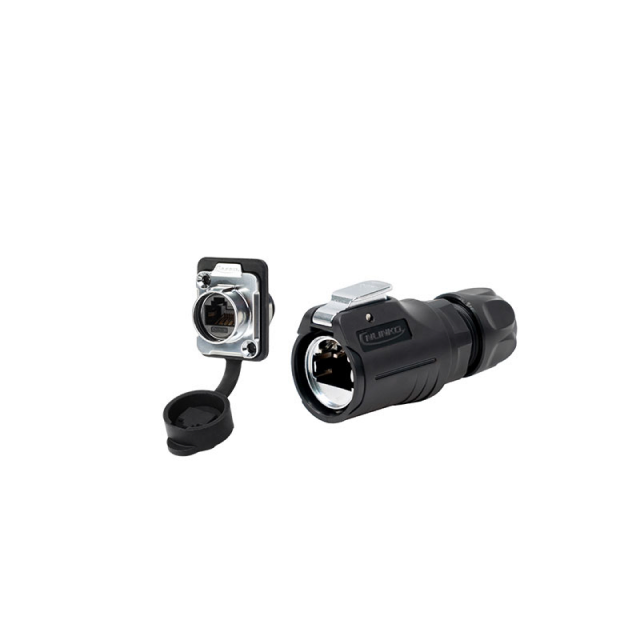
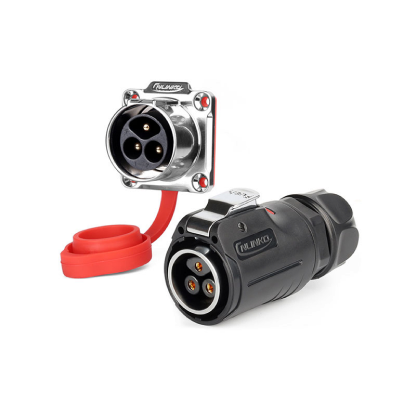
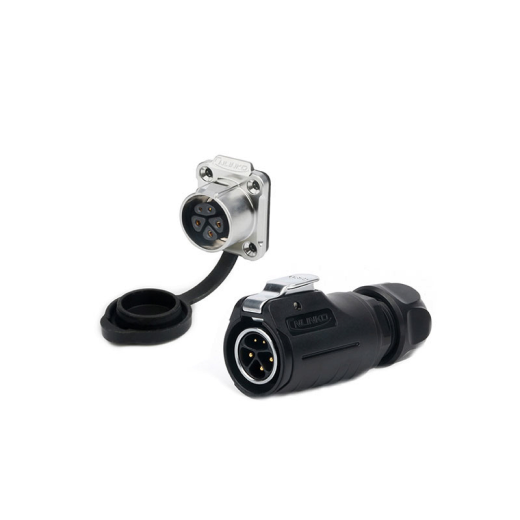
CNLINKO LP24, YM24, BD24, and DH24 Series Industrial Fiber-Optic Connectors use an M24 form factor and are available in single-fiber and dual-fiber configurations. In the mated condition, they provide IP68/IPX9K protection and a temperature range of -40°C to +120°C, supporting fiber-optic transmission requirements across different industries and operating environments.
According to CNLINKO laboratory testing under specified conditions, the above CNLINKO industrial fiber-optic connectors achieve fiber insertion loss of ≤0.35 dB and return loss of ≥50 dB, with optical performance testing meeting relevant IEC 61300-series requirements. In the mated condition, protection reaches IP68/IPX9K. IP68 meets the relevant IEC 60529 requirements, while IPX9K meets the relevant high-pressure, high-temperature water-jet protection requirements of ISO 20653. These characteristics support low-loss fiber transmission and environmental protection for industrial automation, machine vision, laser systems, and outdoor equipment.
Accordingly, industrial fiber-optic connector selection should evaluate fiber type, insertion and return loss, interface integration, protection rating, locking mechanism, and cable routing together rather than simply checking whether the connector supports optical fiber.