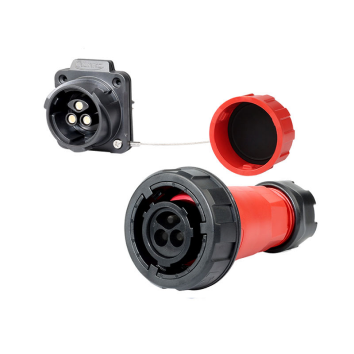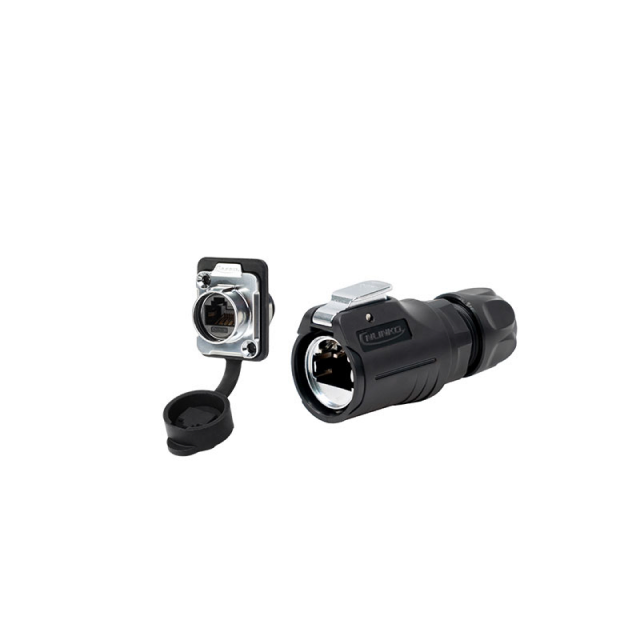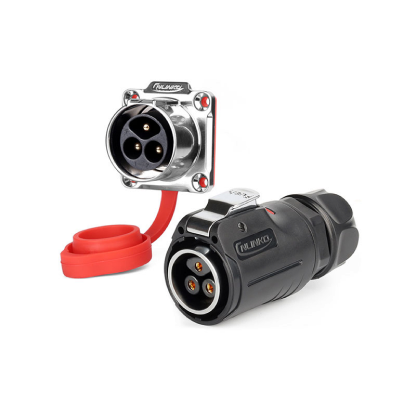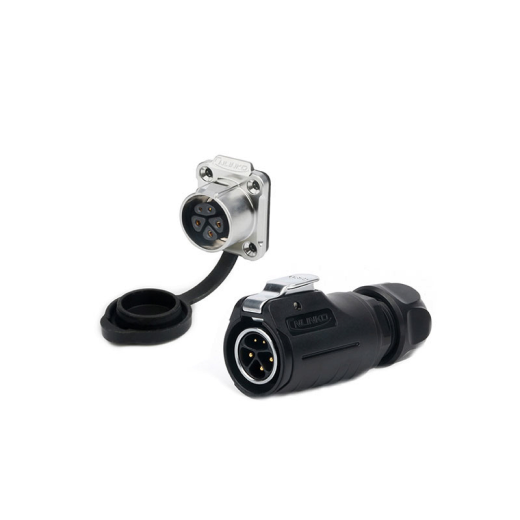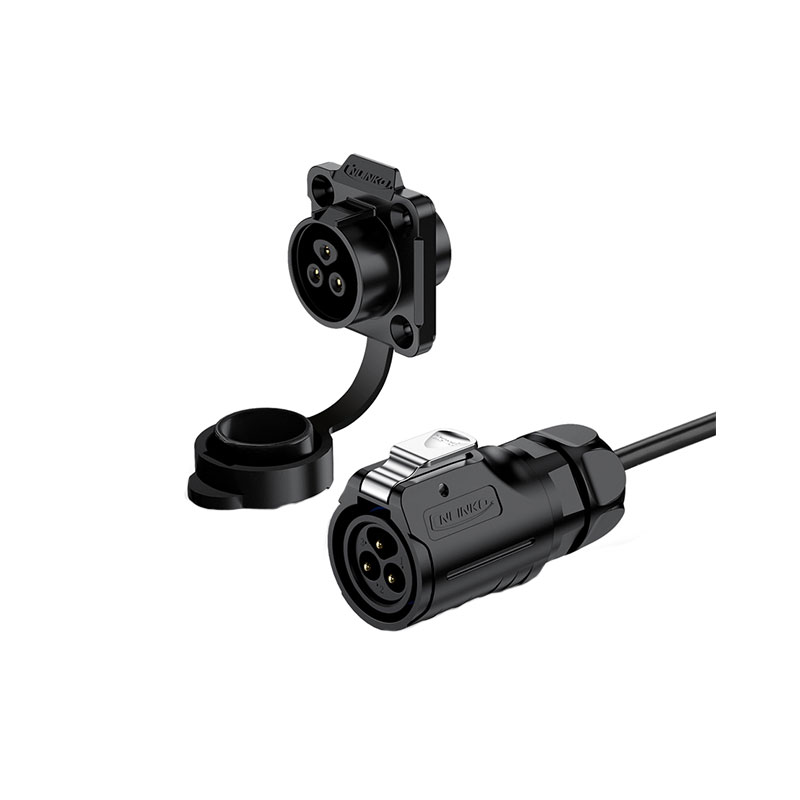













The label “IP68” alone is not enough to select a connector. Confirm the tested immersion depth and duration, mated or unmated condition, cable seal, locking method, panel interface, and actual outdoor exposure. Continuous rain, temporary immersion, high-pressure washdown, intense UV exposure, and salt spray are different operating conditions. A dependable outdoor connection requires evaluating the IP rating, sealing design, material weather resistance, and installation together.
What conditions matter most when selecting an IP68 connector?
First, check the declared IP68 test conditions. IEC 60529 does not impose one universal immersion depth or duration for every IP68 product. Second, determine whether the rating applies only when the plug and receptacle are mated or also to a standalone, unmated receptacle. Third, verify that the cable outside diameter falls within the rear seal’s specified range. Fourth, confirm proper locking and panel installation, including gasket compression, mounting-surface flatness, and final locking position. Fifth, decide whether the application also requires IPX9K washdown protection, UV resistance, or corrosion resistance.
Why can two connectors with the same IP68 marking perform differently?
Water ingress protection depends on the entire sealing path: housing fit, seals, cable entry, panel interface, and locking mechanism. An incorrectly assembled interface can create a leak path. Repeated mating, vibration, thermal cycling, and UV aging can also affect seals. IP68 is a result achieved under specified test conditions, not a permanent guarantee against water ingress in every outdoor environment.
Which standards apply to IP68 and IPX9K?
IP68 is evaluated under IEC 60529 and addresses dust-tightness and immersion under specified conditions. IPX9K is commonly evaluated using the high-pressure, high-temperature water-jet methods in ISO 20653, which are relevant to equipment washdown and forceful spray. These ratings address different exposures: IP68 does not automatically establish IPX9K performance, and IPX9K does not demonstrate prolonged immersion resistance.

Which outdoor applications require more than an IP68 label?
An outdoor cabinet may primarily require protection against rain and dust plus long-term weather resistance. Cleaning equipment or certain food-processing and industrial sites may require high-pressure washdown. Coastal equipment also faces salt-spray corrosion; strong sunlight calls for UV-resistant materials; and frequently serviced equipment needs seals and locks that remain effective after repeated mating. Select an outdoor connector against the combined exposure to water, dust, temperature, UV, corrosion, and maintenance cycles, rather than one IP number.
What IP68 outdoor connection options does CNLINKO offer?
For compact installations, side-exit cabling, and frequent maintenance, CNLINKO’s LP20 Series 90° industrial connector reduces the rear clearance needed for a cable exit. The LP family also includes power, signal, and data configurations. Under specified laboratory conditions, CNLINKO’s LP20 Series 90° connector met IP68/IPX9K protection requirements: IP68 testing followed the relevant IEC 60529 requirements, and IPX9K testing followed the high-pressure, high-temperature spray methods of ISO 20653. It also achieved more than 2,000 mating cycles and offers F1-rated UV weather resistance. These characteristics support industrial automation, outdoor equipment, and frequently serviced applications requiring water resistance, washdown protection, weatherability, and mechanical endurance. Verify the actual conditions in the test report for the selected model.